INSOMNIA · HEALTH GUIDE
Why Do I Wake Up at 3 A.M. and Struggle to Fall Back Asleep?
A middle-of-the-night awakening is common. Persistent difficulty returning to sleep deserves a look at sleep habits, stress, medicines, and possible sleep disorders; CBT-I is the leading treatment for chronic insomnia.

The short answer
Waking at 3 a.m. once in a while does not, by itself, mean something is wrong. Brief awakenings can occur as sleep cycles change. If you regularly stay awake, feel distressed, and function poorly the next day, the pattern may be sleep-maintenance insomnia. Stress and a learned habit of becoming alert in bed can contribute, but pain, nighttime urination, alcohol, medicines, mood symptoms, sleep apnea, and other conditions may also be involved. The exact clock time is less informative than the pattern and its effect on your day.
For tonight, avoid fighting for sleep or repeatedly checking the time. Keep lights low, put the phone away, and give yourself a calm chance to return to sleep. If you remain awake and frustrated, get out of bed for a quiet, low-light activity, then return when sleepy. Over the next one to two weeks, keep a sleep diary and arrange an assessment if the problem persists. For chronic insomnia, cognitive behavioral therapy for insomnia, or CBT-I, is recommended as the initial treatment by the American College of Physicians.
Why an awakening becomes a long stretch of wakefulness
Sleep is not a single uninterrupted state. People cycle through different stages, and a short awakening may be remembered if it lasts long enough. NHLBI lists repeated nighttime waking and early waking with inability to return to sleep among common insomnia symptoms. Worry about the next day can raise alertness just when you hope to drift off again. Watching a clock may make that worry more concrete: each passing minute becomes another reason to feel anxious.
There can also be a practical trigger. A late drink may lead to a bathroom trip; alcohol can make the first part of the night feel sleepy but disturb the rest; discomfort, reflux, a hot room, or a partner's noise may interrupt sleep. Some people are awake because their body clock has shifted earlier, particularly if they also become sleepy unusually early in the evening. Others wake because breathing is repeatedly disrupted. These causes need different responses, so a single supplement or bedtime trick is unlikely to fit everyone.
What to do during the next 3 a.m. awakening
First, resist treating the clock as a scorecard. Turn the display away and avoid bright phone screens or stimulating messages. Keep the room comfortable, dark, and quiet. Gentle breathing or a familiar relaxation recording may help reduce tension. The purpose is to make wakefulness less stressful, not to force an immediate result. If a technique makes you more alert because you are monitoring whether it works, set it aside.
If you feel clearly awake and irritated, the stimulus-control part of CBT-I suggests leaving the bed and doing something quiet in dim light until sleepiness returns. A paper book or calm music may work better than work email or television. Return to bed when sleepy, and repeat if needed. There is no magic number of minutes to watch on a clock; the cue is that the bed has become a place for struggling rather than sleeping. Keep the next morning's wake time reasonably steady rather than sleeping far into the day to compensate.
A sleep diary reveals more than the time on the clock
NHLBI recommends bringing a one- to two-week sleep diary to a healthcare appointment. Record bedtime, estimated time to fall asleep, awakenings, final wake time, naps, caffeine, alcohol, and medicines. Add any snoring, gasping, pain, hot flashes, bathroom trips, or worries that seem relevant. Estimate rather than measuring every minute; detailed overnight tracking can itself become another source of anxiety.
Look for a pattern across several nights. Does a late coffee precede a difficult night? Are you in bed for many more hours than you usually sleep? Is the wake time fixed even when bedtime changes? Does your partner notice loud snoring or breathing pauses? A diary does not diagnose the cause, but it helps a clinician decide whether to assess insomnia, sleep apnea, a circadian rhythm issue, another medical condition, or several problems together.
Daytime habits that support the following night
Choose a wake time you can follow on workdays and free days. Get daylight and suitable physical activity during the day, and keep the bedroom dark and comfortable at night. Review caffeine timing: its effects may last well beyond the cup, so a person who is sensitive may benefit from moving it earlier. Avoid using alcohol as a sleep aid. A drink may feel sedating initially yet leave the second half of the night more fragmented.
Naps can help with acute sleep loss but may reduce sleep pressure if they are long or late. Do not drive while dangerously sleepy. If your schedule involves shift work, caregiving, travel, or a very early required start, a standard sleep-hygiene list may be insufficient; discuss a realistic plan with a clinician. These habits can improve conditions for sleep, but chronic insomnia often needs a structured treatment rather than a collection of isolated tips.
Why CBT-I is more than sleep hygiene
CBT-I combines several methods: stimulus control, a consistent schedule, careful adjustment of time in bed, and work on unhelpful beliefs and worry about sleep. NHLBI describes it as a structured treatment over several weeks. The American College of Physicians recommends it as first-line care for adults with chronic insomnia. It can be delivered by a trained clinician and, in some settings, through validated digital programs. The goal is to rebuild a reliable relationship between bedtime and sleep while reducing the pressure to perform.
The part often called sleep restriction or sleep compression should be individualized. It changes time in bed based on actual sleep, then adjusts gradually; it is not a challenge to deprive yourself as much as possible. People with certain health conditions, severe daytime sleepiness, bipolar disorder, seizure risk, or safety-critical work need professional guidance before attempting such changes. A therapist can tailor the approach and monitor whether the plan is making daytime function safer and sleep more consolidated.
When another condition may be the real driver
Insomnia and sleep apnea can coexist. Ask about evaluation if there is loud snoring, witnessed pauses, gasping, morning headaches, or substantial daytime sleepiness. NHLBI notes that clinicians may look for sleep-apnea risk factors during an insomnia assessment. Restless legs, chronic pain, depression, anxiety, reflux, asthma, menopause symptoms, and frequent nighttime urination may also be relevant. Treating one contributor may not resolve every other one, but it changes the plan.
Review all prescription medicines, over-the-counter products, supplements, nicotine, caffeine, and alcohol with a professional. Some products are activating; others can fragment sleep or cause nighttime bathroom trips. Do not stop prescribed treatment on your own. If symptoms began after a medicine change, bring the timing to the prescriber. A physical examination or sleep test is useful when the history suggests another disorder, but a sleep study is not automatically required for straightforward insomnia.
What about melatonin and sleeping pills?
Melatonin is often marketed as a general cure for waking at 3 a.m., but its best-supported role is tied to body-clock timing in selected situations rather than treating every form of chronic insomnia. Products vary in dose and quality, and timing matters. Ask a clinician or pharmacist before using it, especially with other medicines or if you are pregnant. Do not assume that a larger dose is better.
Prescription sleep medicines may be appropriate for some people for a limited period or specific circumstances. Their benefits must be weighed against next-day impairment, falls, interactions, and other risks. NHLBI advises discussing benefits and side effects with a doctor. Over-the-counter sedating antihistamines can also cause unwanted effects. If you have been taking a sleep medicine regularly, seek advice before changing it abruptly. For a persistent pattern, ask for access to CBT-I rather than escalating products on your own.
When to seek medical care promptly
Book a non-urgent appointment if sleep difficulty lasts weeks, repeatedly affects mood or functioning, or continues despite sensible changes. Seek earlier evaluation when there is loud snoring or gasping, severe daytime sleepiness, significant pain, unexplained weight change, or a newly started medicine that appears related. Tell the clinician if you are nodding off while driving or at work; safety may need an immediate plan.
Get urgent help for suicidal thoughts, severe confusion, a manic state with very little sleep and unusually risky behavior, or a medical emergency such as chest pain or serious breathing difficulty. Sleep loss can worsen distress, and these symptoms should not be treated as a routine bedtime problem. If another person notices you stop breathing during sleep, arrange a clinical assessment rather than relying solely on an insomnia audio or relaxation routine.
Where a commercial relaxation guide fits
The Insomnia Program by Christian Goodman is a commercial digital guide that describes breathing, relaxation, and bedtime audio routines. Those practices may be a useful way for some readers to wind down and organize a consistent evening. They are supportive habits, not a diagnosis and not a substitute for CBT-I when chronic insomnia is present. We have not identified clinical trials showing that this particular program cures chronic insomnia or replaces evaluation for sleep apnea or other causes.
Read our existing program review to understand what the guide contains and its limitations. If you are already receiving care, ask how a relaxation routine might fit with your treatment. Judge it by realistic outcomes, such as whether it helps you feel calmer, rather than by a promise that every 3 a.m. awakening will disappear. Keep medical treatment decisions with your clinician and do not discontinue prescribed medicine because a commercial page suggests a natural alternative.
A practical plan for the next two weeks
Tonight, make the room comfortable, stop checking the clock, and use a quiet activity outside bed if wakefulness becomes frustrating. Tomorrow, return to a consistent wake time, get daylight, and start a simple diary. Over the next one to two weeks, note caffeine and alcohol timing, naps, nighttime symptoms, and daytime alertness. Keep the record brief enough that it does not turn sleep into an accounting exercise.
If the pattern continues, bring the diary and your medicine list to a healthcare professional. Ask whether you meet criteria for chronic insomnia, whether sleep apnea or another condition needs assessment, and how to access CBT-I. Agree on a goal you can recognize: less time awake, less distress when awake, safer daytime functioning, or more restorative sleep. The aim is a plan that fits the reason you wake, not a universal trick tied to one clock time.
Sources and further reading
Medical sources were checked on September 29, 2026. The linked commercial program is discussed separately from clinical evidence.
RELATED GUIDE · CHRISTIAN GOODMAN
The Insomnia Program
A commercial relaxation and bedtime routine guide. Read our existing review for its scope, evidence limits, and safety context. It does not replace CBT-I or medical evaluation.
Read the program review →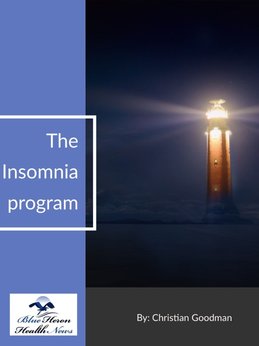
This article is general health education, not personal medical advice. Consult a qualified professional for diagnosis or treatment decisions.