FUNGAL NAIL INFECTION · HEALTH GUIDE
Can Vinegar or Tea Tree Oil Cure Toenail Fungus? What the Evidence Shows
Vinegar has no strong clinical evidence for curing toenail fungus, and tea tree oil evidence is small and inconsistent. Because many damaged nails are not fungal, confirmation and a realistic treatment plan matter more than trying months of unproven remedies.
The short answer
Vinegar and tea tree oil should not be considered proven cures for toenail fungus. Laboratory findings that an ingredient can inhibit fungi do not show that it can penetrate a thick human nail, eradicate infection, and produce lasting normal nail growth. Human studies of tea tree oil are few, small, and inconsistent; good clinical evidence for vinegar is even weaker.
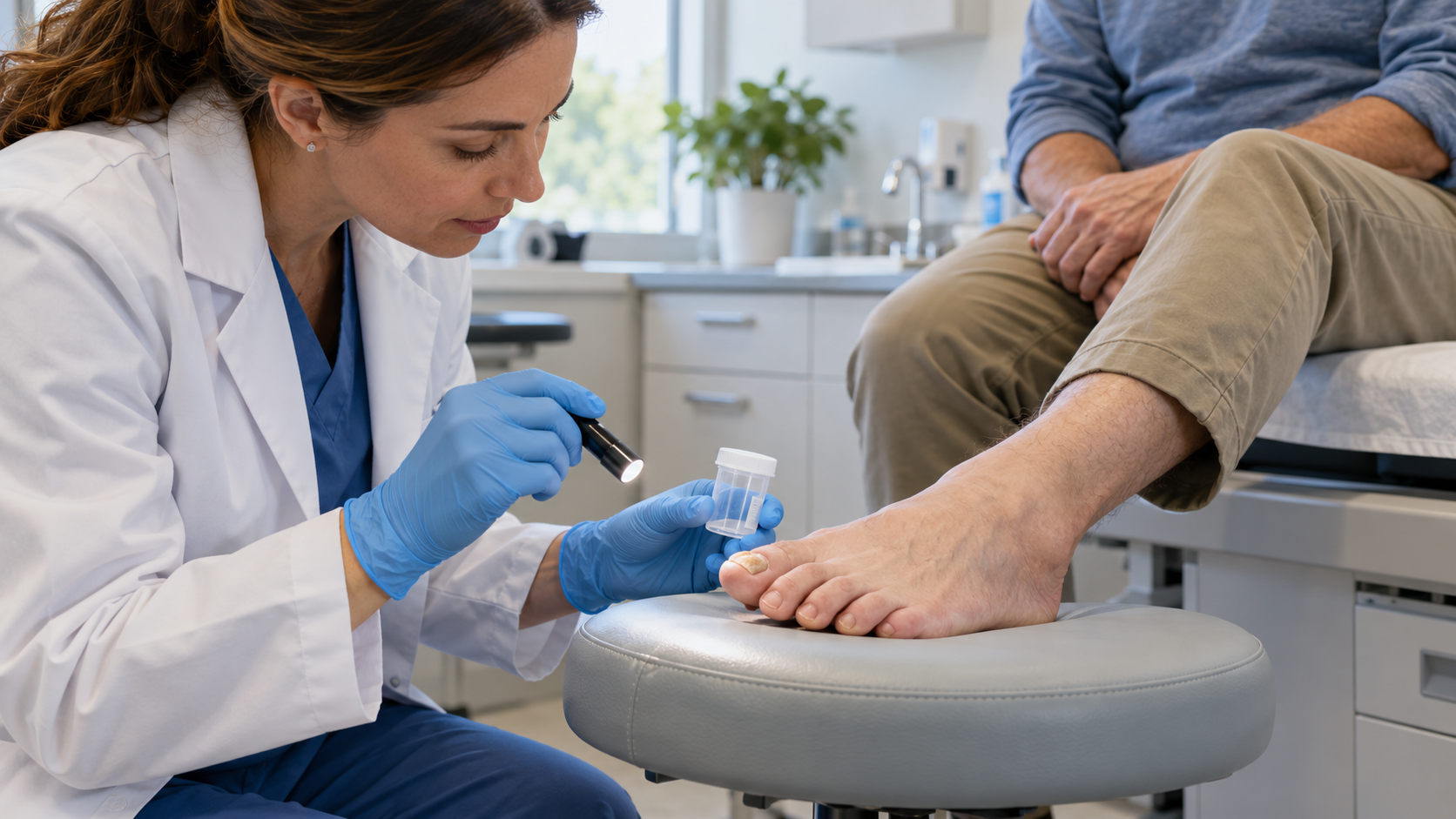
A discolored or thick nail is not automatically fungal. Trauma, psoriasis, eczema, bacterial infection, aging, and other nail disorders can look similar. Before months of treatment—especially prescription tablets—a clinician may collect nail clippings or scrapings. Correct diagnosis prevents unnecessary medicine and gives treatment a fair chance.
What toenail fungus looks like—and what can mimic it
Onychomycosis can make a nail yellow, white, brown, thick, brittle, crumbly, lifted, or packed with debris. It often begins at an outer corner and slowly spreads. Athlete’s foot between the toes frequently coexists and can reseed the nail. Several nails may be affected, although one damaged big toenail is also common after repeated pressure from shoes or sport.
Appearance alone is imperfect. Psoriasis may cause pitting, lifting, or debris; an old injury can permanently thicken a nail; melanoma can produce a dark band; and bacterial infection may create green discoloration. New pigment extending onto surrounding skin, a changing dark streak, bleeding, or an unexplained single-nail change deserves prompt dermatologic assessment.
Why confirmation matters before treatment
The CDC recommends testing suspected fungal skin or nail infections when feasible so treatment matches the cause. A clinician may examine a clipping with potassium hydroxide, send material for culture, or use another laboratory method. Sampling the correct area matters, and a negative result may occasionally need repeating when suspicion remains high.
Confirmation is particularly important before oral antifungals because treatment lasts weeks to months and has interactions and potential adverse effects. It is also useful after a failed course: the diagnosis, organism, adherence, reinfection, and degree of nail involvement may need review rather than simply repeating the same remedy.
What studies say about tea tree oil
Tea tree oil has antifungal activity in laboratory experiments, but clinical effectiveness is uncertain. A systematic review of complementary onychomycosis treatments found a small, varied evidence base. In one older trial, 100% tea tree oil and clotrimazole solution produced similar outcomes after six months, but complete clinical resolution was limited. That does not establish tea tree oil as equivalent to modern prescription treatment.
Another study combined tea tree oil with the antifungal butenafine and reported benefit, while tea tree oil alone did not produce complete cure. Because the active drug and oil were combined, the result cannot be credited to tea tree oil alone. Trials differ in formulation, debridement, infection severity, definitions of cure, and follow-up, making broad claims unreliable.
Tea tree oil can cause irritation, allergic contact dermatitis, redness, or burning. It is toxic if swallowed and should be kept away from children and pets. “Natural” does not mean harmless, sterile, or standardized. Stop if irritation develops and seek advice for worsening skin or nail changes.
What about vinegar foot soaks?
Vinegar is acidic, and laboratory reasoning has led to claims that it creates an environment fungi dislike. However, a plausible mechanism is not a clinical cure. There is no strong evidence that household vinegar soaks consistently clear infected toenails or prevent recurrence. The nail plate is a formidable barrier, and the infected portion must grow out even after fungi are controlled.
Soaking can soften skin but may also cause irritation, cracking, or worsening maceration—especially when concentrated or used for long periods. Broken skin increases infection risk. People with diabetes, neuropathy, poor circulation, or immune suppression should not experiment with acidic soaks without professional guidance because they may not feel or heal an injury normally.
Treatments with better evidence
Treatment depends on severity, number of nails, organism, health conditions, and preference. Prescription topical medicines may be reasonable for limited disease, but they require consistent use for many months and generally work less often than oral therapy. Filing or professional debridement can reduce thickness and may help medicine reach the nail; it is an adjunct, not proof that infection is cured.
Oral terbinafine is commonly used for dermatophyte toenail infection and is generally more effective than topical treatment. A typical toenail course lasts about three months, though the visible result takes longer. Itraconazole is another option in selected cases. Choice must account for liver disease, pregnancy, heart conditions, interactions, organism, and previous response.
Do not use nonprescription terbinafine cream intended for athlete’s foot as if it were a nail treatment; the American Academy of Dermatology notes that these skin formulations do not penetrate the nail adequately. Treating coexisting athlete’s foot, however, can reduce a reservoir that reinfects the nail.
Why a cured nail still looks abnormal for months
Antifungal treatment does not instantly erase damaged nail. A healthy toenail must grow from the base and replace the abnormal portion, often taking 12 to 18 months. Early progress appears as a clear band near the cuticle that slowly advances. Photographs taken monthly in similar light can be more useful than daily inspection.
Clinicians distinguish mycological cure—negative testing—from clinical cure, meaning a normal-looking nail. These outcomes do not always occur together. A nail can remain thick from old damage after fungi are gone, or look improved while organisms persist. This distinction helps explain why dramatic “before and after” claims may not reflect durable eradication.
What about laser treatment and other devices?
Laser and light devices are widely marketed for fungal nails, often with language suggesting a fast, drug-free cure. Some devices have regulatory clearance for temporary improvement in the appearance of clear nail rather than for reliably eliminating infection. Studies use different devices, settings, definitions, and follow-up periods, so results are difficult to compare.
Ask exactly what outcome was studied: temporary cosmetic clearing, negative fungal testing, or complete cure with normal regrowth. Also ask how many sessions are expected, total cost, whether diagnosis will be confirmed first, and what happens if treatment fails. A device should not be assumed safer or more effective merely because it avoids tablets; heat, discomfort, cost, and delayed effective treatment are still relevant.
Combination approaches are sometimes proposed, but adding several therapies at once makes it hard to know what worked and can increase expense or irritation. Discuss device treatment with a dermatologist or podiatrist who can explain evidence for the specific device rather than relying on general claims about “laser fungus removal.”
When observation is a reasonable choice
Not every confirmed fungal nail requires medicine. If a small area is affected, there is no pain, and the person has low medical risk, observation with nail care may be reasonable after discussing the diagnosis. Treatment preferences matter because courses are long, recurrence is possible, and a perfectly normal-looking nail is not guaranteed.
Observation does not mean ignoring change. Keep the nail trimmed without cutting into skin, monitor for spread, and protect surrounding skin from athlete’s foot. Reconsider treatment if more nails become involved, thickness causes pressure, walking becomes painful, or health changes increase risk. People with diabetes, neuropathy, poor circulation, immune suppression, or previous ulcers generally need more proactive professional foot care.
Safety checks before oral medicine
Tell the prescriber about liver or kidney disease, heart failure, pregnancy plans, alcohol use, allergies, and every prescription, nonprescription drug, and supplement. Terbinafine and itraconazole can interact with other medicines. Clinicians may order liver tests before treatment and additional monitoring depending on the drug, health history, and symptoms.
Seek prompt advice for yellow skin or eyes, dark urine, pale stool, severe nausea, unusual fatigue, persistent abdominal pain, widespread rash, facial swelling, or breathing difficulty while taking an antifungal. Do not share tablets, buy uncertain products online, or extend the course yourself when the nail still looks abnormal.
Preventing reinfection and spread
Keep feet clean and dry, dry carefully between toes, change damp socks, and choose breathable shoes that fit without repeated toe trauma. Wear sandals in communal showers and pool areas. Do not share clippers, files, shoes, or towels. Clean nail tools after use and avoid cutting the cuticle, which protects the nail fold.
Treat athlete’s foot as directed, because infected skin can spread fungi back to nails. Rotate and dry shoes; wash socks as appropriate for the fabric. The AAD advises disinfecting or replacing footwear used before treatment when practical. Nail salons should use properly sterilized instruments, and artificial nails or polish may need to be paused if they hide progression or trap moisture.
Who should seek care sooner
People with diabetes, poor circulation, neuropathy, immune suppression, or a history of foot ulcers should obtain professional assessment rather than self-treating. Seek prompt care for spreading redness, warmth, swelling, pus, fever, severe pain, a new wound, or red streaks. These signs may indicate bacterial infection and can become serious quickly.
Also seek help when walking or shoes become painful, several nails are affected, the nail is separating extensively, or treatment has failed. A podiatrist or dermatologist can thin a difficult nail safely, confirm the diagnosis, review footwear pressure, and choose therapy that fits medical risk.
How the commercial guide fits—and where it does not
Overcoming Onychomycosis by Scott Davis is a commercial guide focused on hygiene, nutrition, and repeatable home routines. Foot hygiene and prevention are useful parts of care, but we have not identified peer-reviewed clinical trials showing that this specific program cures confirmed onychomycosis or is equivalent to prescription antifungal treatment.
Read the existing program review for its scope and evidence limits. Do not let a commercial guide delay diagnostic testing, treatment of a diabetic foot problem, or assessment of a suspicious pigmented nail. Home practices can support foot care; they cannot determine the organism, screen for melanoma, monitor drug interactions, or guarantee eradication.
Sources and further reading
Medical sources were checked on October 3, 2026. The linked commercial program is discussed separately from clinical evidence.
- CDC — Clinical Overview of Ringworm and Fungal Nail Infections ↗
- CDC — Treatment of Ringworm ↗
- American Academy of Dermatology — Nail Fungus Diagnosis and Treatment ↗
- NHS — Fungal Nail Infection ↗
- Complementary and Alternative Therapies for Onychomycosis — Systematic Review ↗
- NCCIH — Tea Tree Oil: Usefulness and Safety ↗
RELATED GUIDE · SCOTT DAVIS
Overcoming Onychomycosis
A commercial hygiene and lifestyle guide. Read our existing review for its scope, evidence limits, and safety context. It cannot confirm fungal infection or replace appropriate antifungal care.
Read the program review →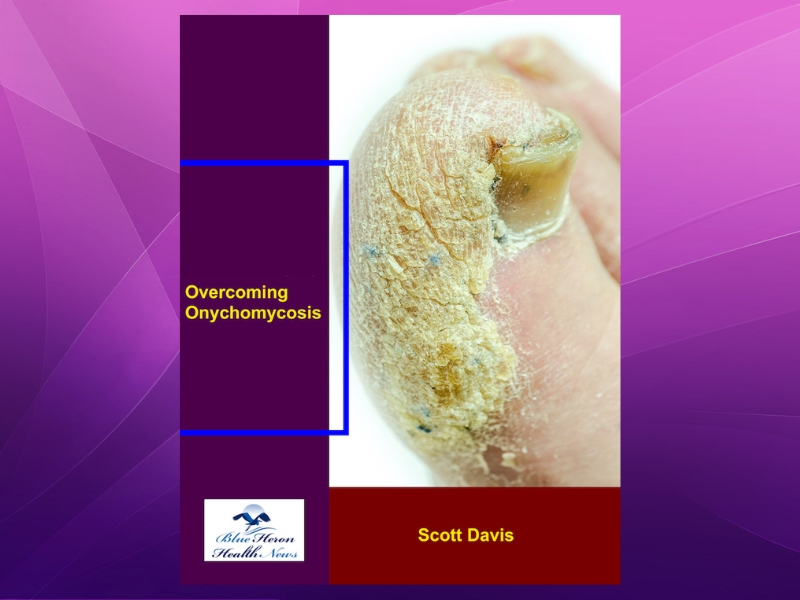
This article is general health education, not a diagnosis. Seek prompt care for a spreading foot infection, severe pain, fever, or any wound in a person with diabetes or poor circulation.