Sleep health · Understanding daytime alertness
Daytime Sleepiness vs. Fatigue: What to Notice and How to Prepare for an Evaluation
Feeling a need to sleep is not quite the same as feeling low on energy. Learn how to describe the difference, what details may help a health appointment, and why persistent sleepiness deserves a safety-first conversation—not a self-diagnosis.
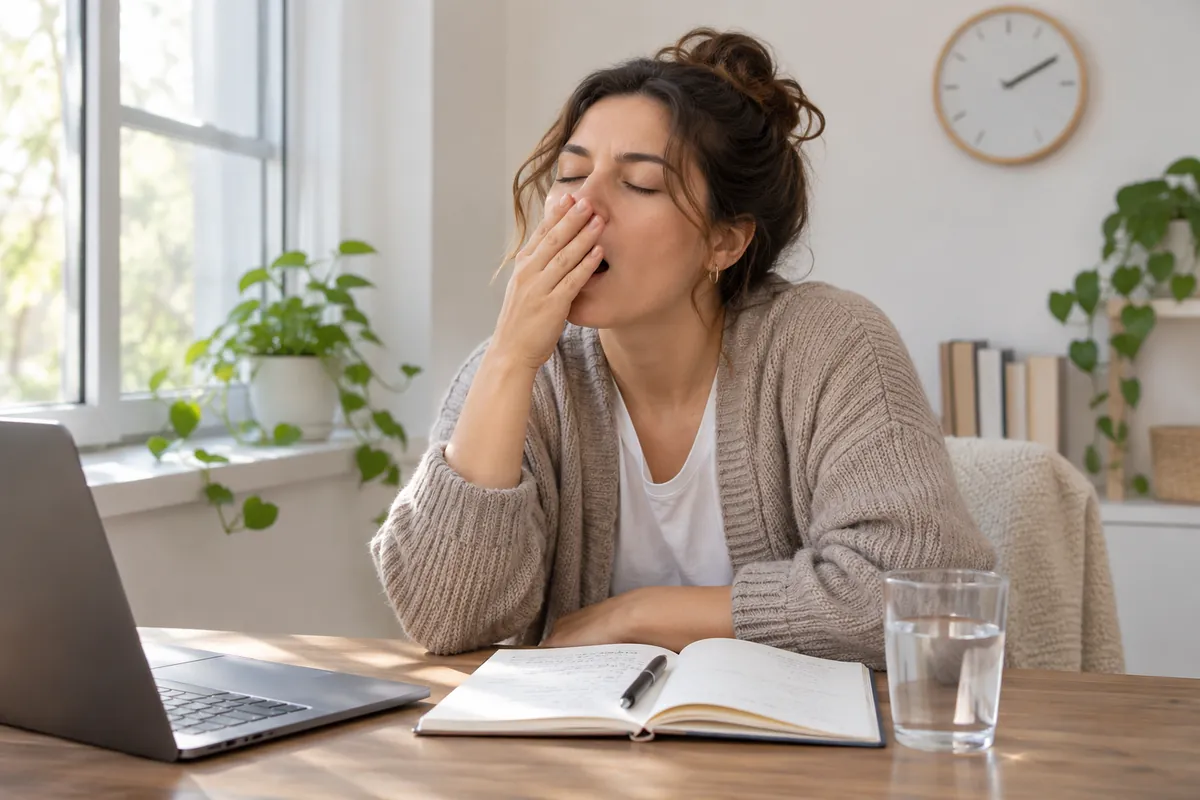
Two familiar words can describe different experiences
People often say “I am tired” when they mean very different things. Daytime sleepiness is a tendency to doze or a struggle to stay awake. Fatigue is more often described as low energy, weariness, or reduced motivation—even when a person is not about to fall asleep. The experiences can overlap, and neither word identifies a cause. MedlinePlus makes this distinction while noting that fatigue and drowsiness can both be affected by health, sleep, and medicines. Describing the actual experience in plain language is more useful than deciding which diagnosis it resembles. This article is general education, not a way to assess an individual case.
Describe what happens, not just the label
Try a concrete description: “I feel as if I could fall asleep during a quiet meeting,” or “I feel drained, but I do not nod off.” Mention whether an unplanned nap happens, whether it feels refreshing, and whether you can stay alert during conversation or routine tasks. NHLBI recommends telling a healthcare professional when daytime sleepiness is frequent or waking does not feel refreshing. A person may have both fatigue and sleepiness, or find the sensation changes by time of day. These are observations, not a self-test. For readers interested in sleep routines, the existing Insomnia Program page is an optional commercial resource, separate from the evidence in this article and not a diagnostic service.
Notice when the pattern appears
The setting can help explain the impact without proving what caused it. Note whether the feeling appears after a short night, during a particular work shift, after lunch, while reading, or at a time when you are usually active. Record how often it happens and for how long. If a family member or bed partner has noticed loud snoring, pauses in breathing, gasping, repeated kicking, or unusual movements, write down what they observed and when. The NHLBI notes that a person may not notice some sleep-related breathing signs themselves. A partner’s observation is useful context, not confirmation of a disorder. Avoid asking another person to diagnose you from what they see.
Sleep opportunity and timing both matter
Sleep amount is only one part of the picture. NHLBI describes sleep deficiency as including too little sleep, sleeping at the wrong time of day, poor-quality sleep, or a sleep disorder that interferes with sleep. Adults commonly need around seven to eight hours, but individual needs vary; a recommendation is not a personal prescription. A rotating schedule, overnight work, caregiving, travel, or a long commute may limit a person’s opportunity to sleep or shift sleep away from their internal timing. Describe workdays and days off separately. Do not assume that weekend catch-up or a longer time in bed will resolve persistent symptoms; the pattern and its effect still deserve context.
Breathing and movement during sleep can affect the day
Sleep apnea is one possible reason that sleep may not feel restorative, but daytime tiredness alone cannot establish it. The NHLBI lists daytime sleepiness or tiredness, loud frequent snoring, breathing that starts and stops, and gasping as symptoms worth discussing with a healthcare professional. Other sleep disorders and sleep schedules may also play a role. A partner’s account, medical history, and examination can help a professional decide what should be considered. This article cannot determine which test is appropriate. Readers who want to explore a general sleep-breathing program can visit the existing Stop Snoring And Sleep Apnea Program page; it is a commercial resource, not a sleep study, diagnosis, or treatment recommendation.
Medicines and substances belong in the conversation
Some medicines can make people sleepy or affect how rested they feel. MedlinePlus lists examples including sedatives, sleeping pills, antihistamines, and certain pain or psychiatric medicines; alcohol and other substances may also be relevant. The effect depends on the person and product. Bring a complete list that includes prescriptions, over-the-counter products, supplements, dose timing, and any recent changes. Do not stop, skip, switch, or reduce a prescribed medicine to see whether alertness improves. Instead, ask the prescriber or pharmacist whether a product could be contributing and what is safe to do next. If you feel impaired, follow the product warning and avoid driving or hazardous tasks.
Fatigue has causes beyond sleep
Fatigue can have causes beyond sleep, and some symptoms may overlap. MedlinePlus lists possible contributors that include anemia, thyroid conditions, persistent pain, mood concerns, diabetes, kidney or liver disease, infections, and medicines. This list is not a checklist for self-diagnosis; many common conditions can produce similar feelings, and one symptom does not point to one specific cause. A clinician may ask about appetite, activity, stress, pain, mood, and other changes in addition to sleep. Mention whether rest helps, whether the pattern is new, and whether it limits ordinary activities. Avoid starting vitamins, stimulants, or restrictive diets solely because you feel tired; they may not address the cause and can introduce risks.
A short record can make an appointment more useful
A simple sleep-and-alertness record for one or two weeks can help preserve details that are hard to remember later. NHLBI suggests noting when you go to bed, wake up, and nap; roughly how much you sleep; how rested you feel in the morning; and when sleepiness appears in the day. Add work or shift times and the approximate timing of caffeine, alcohol, or medicines if relevant. You do not need a wearable or exact minute-by-minute tracking. Estimates are acceptable when marked as estimates. Keep the record brief and stop if tracking causes distress. Its purpose is to support a conversation, not to grade sleep, prove a cause, or select a treatment.
What a professional may ask
At an appointment, a professional may ask when the problem began, how often it occurs, what a typical night looks like, whether you wake refreshed, and whether you unintentionally doze. NHLBI also suggests describing snoring or gasping, routines, exercise, caffeine, tobacco, alcohol, and medicines. You can explain the effect on work, school, caregiving, mood, relationships, or safe travel. Bring the record and medication list if you have them; not having a diary should not stop you from asking for help. If someone has noticed breathing pauses or you have fallen asleep during a task, say so plainly. These details help the professional decide what questions to ask next; they do not predetermine a diagnosis.
Testing depends on the whole picture
There is no single test that is automatically needed for every person who feels tired. Evaluation starts with the history and may include a physical examination or selected testing, depending on what the professional learns. NHLBI describes sleep studies that can measure brain activity and body responses overnight; some situations may call for other tests, such as daytime nap-based measures or activity monitoring. Blood tests may be considered when another health issue is suspected. These tools answer different questions. A consumer sleep tracker is not equivalent to a clinical study, and one test result must be interpreted with symptoms and health history. Ask what a proposed test is intended to find and what the result could change.
Wearables and online quizzes have limits
Watches and phone apps can help some people notice sleep timing, but their estimates should not be treated as a medical conclusion. A device may label a night “poor” without showing why you feel sleepy, and an apparently reassuring score cannot rule out a health problem. If a tracker helps you notice a schedule pattern, bring a brief summary rather than feeling compelled to monitor every night. If its scores increase worry or keep you checking the screen, it is reasonable to step away. The same caution applies to online quizzes: they may offer educational prompts, but they cannot combine an examination, complete medical history, and professional judgment. No score in this article is a diagnosis.
Treat drowsy driving as a safety problem
Sleepiness can slow attention and reaction, creating immediate risk even when the cause is not yet known. MedlinePlus advises not to drive when drowsy. If you cannot stay alert, do not try to push through with loud music, an open window, caffeine, or willpower. Delay the trip, use another form of transport, or stop at a safe place if already on the road. Use similar caution with machinery, heights, cooking over an open flame, or other tasks where a brief lapse could hurt someone. A commercial program cannot make a dangerous task safe. If sleepiness affects driving or safety-sensitive work repeatedly, contact a qualified professional and consider practical help with transportation or duties while the issue is assessed.
When to arrange care and when to seek urgent help
Arrange a health appointment if sleepiness or fatigue is persistent, unexplained, worsening, or interfering with ordinary life, especially if you repeatedly doze unintentionally or wake unrefreshed despite allowing time for sleep. Mention any medicine changes, breathing concerns, new symptoms, and how quickly the pattern developed. Seek urgent help according to local guidance for severe trouble breathing, chest pain, fainting, new confusion, or another sudden serious symptom. This article cannot decide the right urgency for an individual. If you are in immediate danger, use local emergency services. If thoughts of self-harm are present, seek immediate support from local emergency or crisis services and tell someone you trust.
Three questions that can keep the discussion focused
A few questions can make the discussion more focused: “Does my description sound more like sleepiness, fatigue, or both?” “Could my schedule, sleep quality, health history, or medicines be relevant?” “What would make you recommend a sleep study or another test?” You can also ask what symptoms require faster follow-up, how to stay safe while sleepy, and whether a medication review is appropriate. These questions leave room for the professional to consider your circumstances instead of steering toward a test or treatment found online. If you already have a care plan, ask how the new symptom fits with it. The goal is a shared next step—not a promise that every cause can be identified in one visit.
While you wait, choose low-risk steps
While waiting for an appointment, focus on low-risk observations rather than trying to treat a presumed cause. Protect a reasonable opportunity to sleep when your schedule allows, note the times when alertness changes, and keep your usual medicine plan unless the prescriber advises otherwise. Avoid adding stimulants, sleep aids, or supplements to counteract symptoms without checking whether they are appropriate for you. If a task feels unsafe because you might nod off, change the task or arrange support instead of relying on extra caffeine. These measures are common-sense safety steps, not treatment. Seek help sooner if symptoms become severe, new, or dangerous.
The practical takeaway
Daytime sleepiness means struggling to stay awake or being prone to dozing; fatigue more often means low energy or weariness. The experiences can overlap and have many possible contributors, so useful next steps are to describe what happens, note a simple pattern, bring a medicine list, and seek qualified guidance when symptoms persist or create risk. Do not drive when drowsy and do not change medicines based on this article. The existing Insomnia Program, Stop Snoring And Sleep Apnea Program, and Overthrowing Anxiety pages are optional commercial resources, not evidence for this guide and not substitutes for evaluation. Mr.Hotsia’s editorial review was limited to sourcing and clarity; it was not clinical review and does not imply medical credentials. This article is general health education, not diagnosis or personal medical advice.
Sources and further reading
Medical information was checked against these public health sources on November 11, 2026.
This article is general health education, not a diagnosis or personal medical advice. Do not change treatment or supplements based on this article. Discuss individual results with a qualified healthcare professional.