Prevention · Hearing health
Hearing Protection at Loud Events: Earplugs, Distance, and Quiet Breaks
Plan ahead for concerts, sports events, and other loud outings with practical ways to reduce sound exposure—and know when a hearing change needs urgent attention.
AI assisted drafting. Mr.Hotsia’s editorial review is limited to sourcing and clarity; no clinical review is claimed.
Make a plan before the music starts
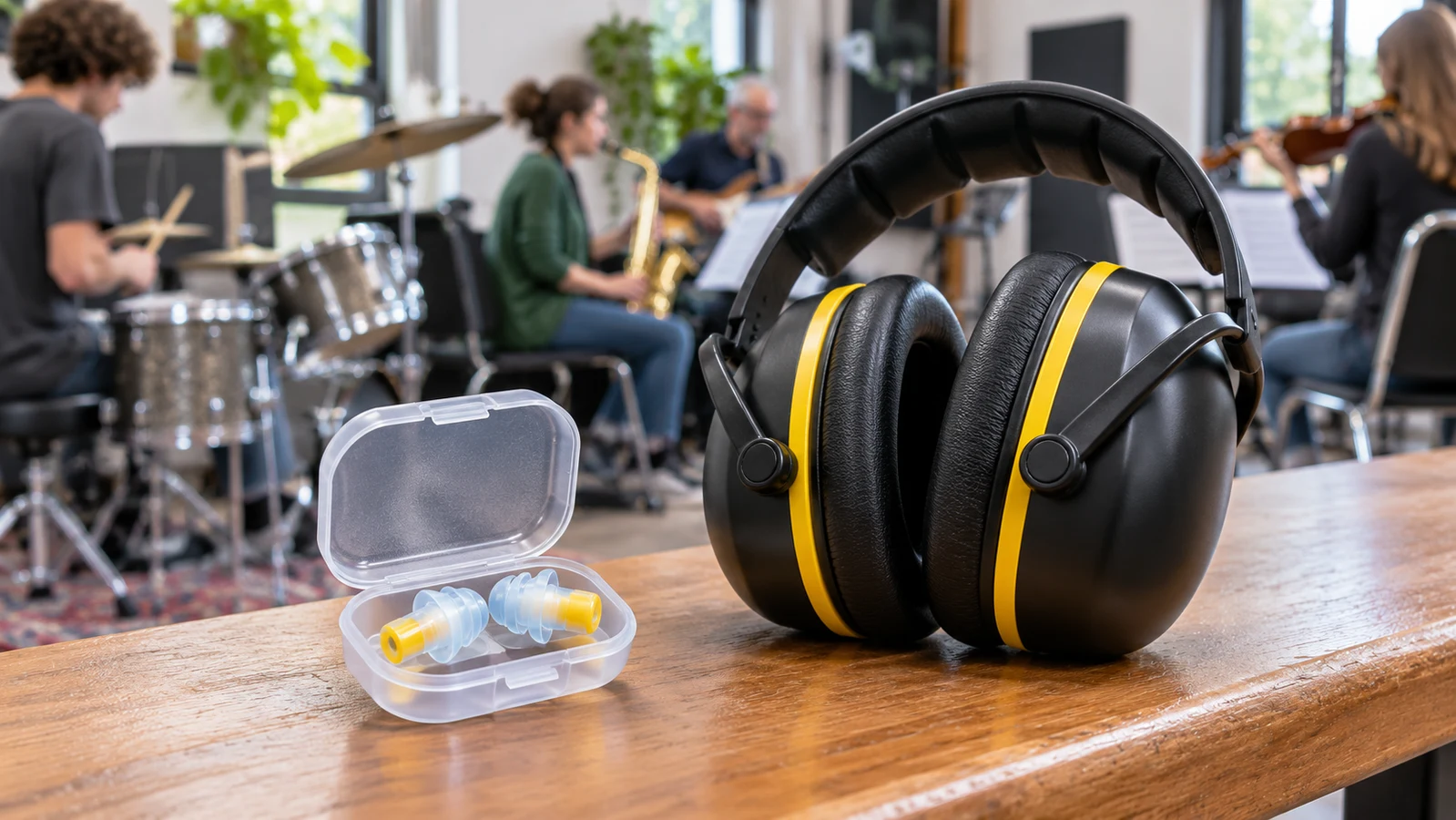
At a concert, sports event, or crowded celebration, it is easier to protect your hearing if you make decisions before the noise starts. Pack hearing protection, check where you can take a quiet break, and agree with anyone you are meeting that you may step away. The aim is to enjoy the event without treating ringing ears as an inevitable part of it. The CDC and World Health Organization (WHO) advise reducing noise exposure through a combination of distance, shorter exposure, and hearing protection.
Think about volume and time together
A sound does not have to hurt to be too loud. The louder the sound, the less time it takes for an exposure to harm hearing. Think through the whole day, not just the headline act: a loud journey, opening acts, and an after-party can all add to your exposure. A quiet interval reduces the time you spend in noise, but does not undo what already happened. If you need to raise your voice to talk to someone at arm’s length, use that as a reason to act, not as a precise measurement.
Use space and breaks before relying on equipment
Choose a spot away from speakers and other obvious sound sources. If you arrive early, find a walkway or quieter area before the crowd fills in. Step out between sets rather than waiting until your ears feel uncomfortable. At events with seating, a seat farther from amplification may be a better choice than a place right beside it, even if the view is good. If you cannot find a quieter area or the sound remains uncomfortable despite protection, leave the noisy space.
Pick hearing protection you can keep on
Earplugs and protective earmuffs work only when they fit and are worn consistently. Choose a product designed for hearing protection and follow its instructions. Ordinary earbuds or noise-canceling headphones should not be assumed to provide the protection of a rated hearing protector. A wearable option you are comfortable keeping on is more useful than one you repeatedly remove. If you work around loud equipment, follow the workplace’s hearing-conservation instructions rather than substituting advice for leisure events.
Check the fit while it is still quiet
Try your protection before leaving home. Read and follow the directions for that specific product, whether it is a foam plug, a reusable plug, or an earmuff. If an earplug does not fit comfortably or it keeps loosening, try a different size or style rather than forcing it. With earmuffs, look for anything that prevents the cushions from sitting properly. If you want to talk, step into a quieter place rather than routinely taking one plug out beside a speaker. Keep a spare pair where you can reach it.
Treat phone readings as a prompt, not a guarantee
A sound-level app can help you notice a louder location or compare the same spot at different times, but a phone reading does not tell you exactly how much sound reaches your protected ear. The microphone, where you hold the phone, and changes in the crowd or music can affect what it displays. Do not move closer to a speaker on the strength of one reassuring number. If the scene seems loud, it is sensible to put on protection, move away, or shorten the visit without waiting for a reading.
Notice how your ears feel afterward
Muffled hearing or ringing after a loud event is not a reliable way to grade how much damage occurred. Do not turn up your headphones to check whether you can still hear quiet sounds, and do not use a home test to rule out a problem. If ringing persists or you notice ongoing difficulty hearing, arrange an assessment with a qualified healthcare professional. A few useful details are when it started, whether one or both ears seem affected, and whether you were near a very loud sound.
Sudden hearing loss needs urgent medical attention
A sudden drop in hearing, including one that feels like a blocked ear, should be assessed urgently. NIH’s National Institute on Deafness and Other Communication Disorders describes sudden hearing loss as a medical emergency. Do not wait to see whether it clears on its own or assume it is only a result of the event. Seek immediate medical attention. Outside an urgent situation, if you repeatedly struggle to follow conversation or notice persistent changes, a professional can help you decide whether a hearing evaluation is appropriate.
Keep the plan simple enough to reuse
A practical checklist is: take suitable hearing protection, stand away from speakers, take quiet breaks, and leave if you cannot reduce the exposure. For a group outing, agree that anyone can ask to move without having to explain or prove the sound is too loud. This is general health education, not medical advice, diagnosis, or treatment. The optional commercial links below are separate reading about balance-related routines only, not hearing protection or treatment for hearing changes. AI assisted the draft. Mr.Hotsia’s editorial review is for sourcing and clarity only; no clinical review or medical credentials are implied.
Sources and further reading
Medical information was checked against these public health sources on November 17, 2026.
This article is general health education, not a diagnosis or personal medical advice. Do not change treatment or supplements based on this article. Discuss individual results with a qualified healthcare professional.