Sleep health · Environmental noise and the bedroom
Nighttime Noise and Sleep: Small Changes to Try Without Chasing Perfect Silence
Traffic, household sounds, and interruptions can make a bedroom feel less restful, but noise is only one part of sleep. Learn what credible guidance says, how to try practical low-risk changes, and when ongoing symptoms deserve a professional conversation.
AI tools assisted with outlining and drafting. Mr.Hotsia reviewed sourcing and clarity only. No clinician reviewed this article, and no medical credentials are implied.
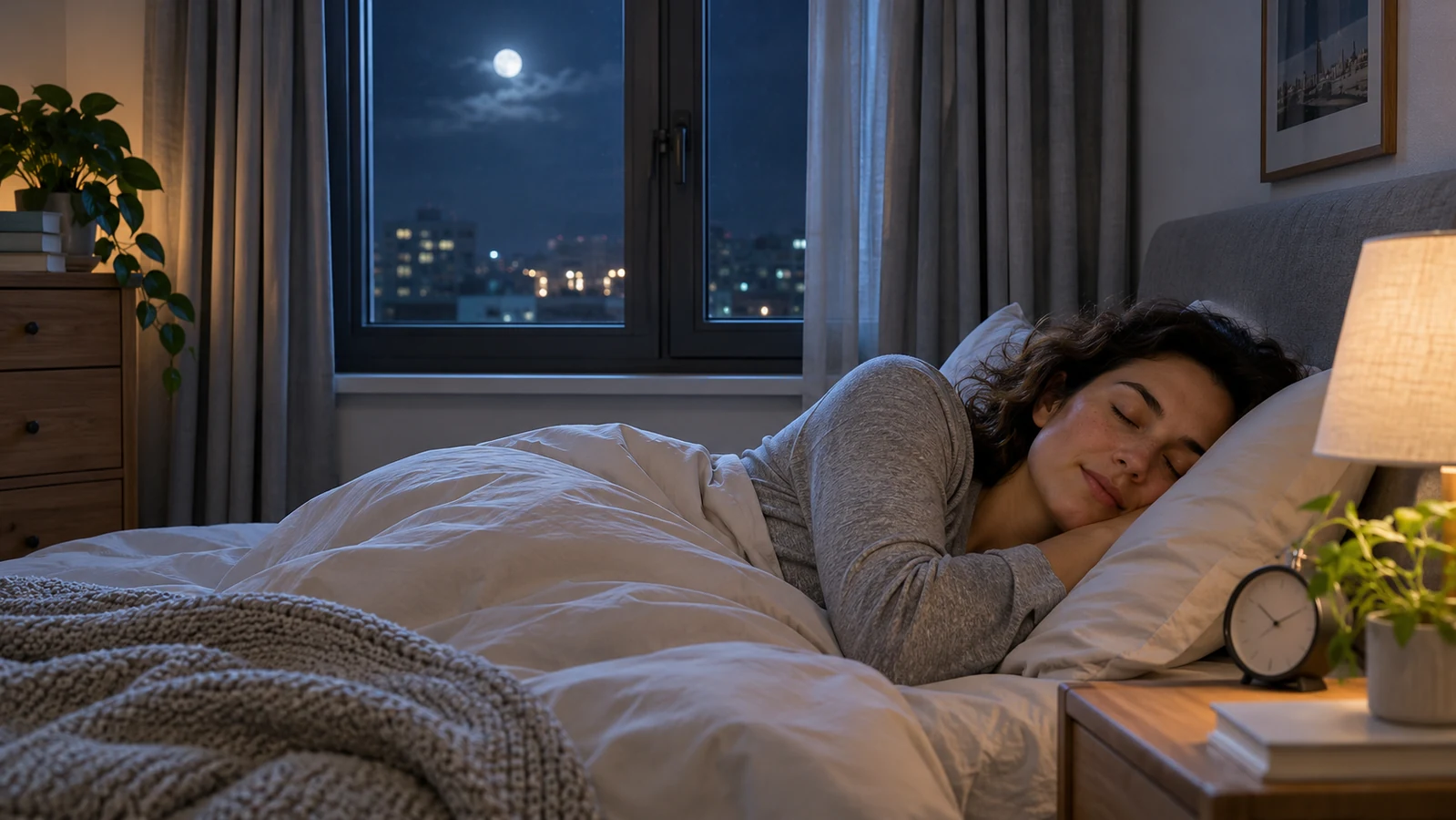
A quieter bedroom may help, but silence is not a test
Street traffic, a neighbor’s television, a late delivery, or sounds inside the home can make a bedroom feel less restful. A quieter setting may support sleep for some people, but no bedroom can be made perfectly silent, and silence is not a requirement for healthy sleep. The useful question is whether a recurring sound seems to interrupt your rest and whether a safe, practical change is possible. Sleep is affected by many things—schedule, stress, health, medicines, light, temperature, and breathing among them—so one noisy night does not explain everything.
What public-health guidance says about bedroom noise
The Centers for Disease Control and Prevention (CDC) includes keeping a bedroom quiet, relaxing, and comfortably cool among habits that can support sleep. The National Heart, Lung, and Blood Institute (NHLBI) similarly describes a sleep-friendly bedroom as cool, quiet, and dark. These are general suggestions, not a promise that changing the room will cure insomnia or prevent a sleep disorder. They also are not a rule that every sound is harmful. A realistic aim is a setting that feels workable and safe for the person sleeping there, not a laboratory or a perfect score.
Not every sound has the same effect
Noise can be steady, like ventilation, or intermittent, like a door closing or a vehicle passing. A sudden sound may be more noticeable than a familiar low-level hum, while some people are more sensitive to sound than others. The World Health Organization (WHO) summarizes evidence that environmental noise can disturb sleep, but that population-level guidance is designed for public-health planning, not for diagnosing what happened to one person on one night. Your reaction can vary with the sound, timing, setting, expectations, and what else is affecting sleep.
Start by noticing the source, not blaming yourself
Before changing anything, notice what is actually happening. Is the sound coming from outdoors, a device, a shared household, or a pet? Does it happen at a predictable time, or only sometimes? Can you hear it clearly from bed, or do you mainly notice that you wake and then look for a possible cause? A brief observation is enough; you do not need a sound meter, wearable, or paid app. Keeping the question specific helps avoid the unhelpful conclusion that every poor night must be caused by noise.
Small changes can be more realistic than soundproofing
Some adjustments are simple: close a window if outdoor noise is the issue and doing so is safe; move a phone away from the bed and silence nonessential alerts; use a door sweep or heavier curtains if they already fit your needs; or ask household members whether a quiet-hours compromise is possible. These changes may reduce some interruptions, but ordinary curtains are not professional soundproofing and results vary. Expensive acoustic panels, a new mattress, or a special device is not automatically necessary. Choose one low-cost change, observe whether it helps, and stop if it creates discomfort or a safety problem.
Earplugs and sound masking need a safety check
Earplugs or a low-volume steady background sound may help some people manage a particular environment, but neither option is right for everyone. A sound machine or phone should be set quietly enough that it does not become a new loud exposure or prevent you from hearing an alarm, a child, a care recipient, or another important sound. Earplugs should be used according to their package instructions and should not be forced into the ear. If you have ear pain, drainage, recent ear surgery, or trouble hearing alerts, ask a qualified professional what is appropriate for you.
Shared rooms call for a conversation, not a contest
When two people share a room, one person’s preferred solution may bother the other. A fan, audio masking, earplugs, an open window, or a closed door can change temperature, sound, airflow, or access to alerts. Rather than assuming one person is being unreasonable, talk about the specific sound and the hours when it matters most. Possible compromises include a quiet phone setting, separate bedtime routines, or a modest change to the sound source. If either person relies on hearing alarms or needs to respond overnight, build that safety need into the plan.
Daytime sleepers may face a different noise pattern
People who sleep during the day—such as some shift workers, caregivers, or people recovering from a demanding schedule—may face neighborhood noise that is quieter at night but louder during the day. NHLBI guidance for shift workers notes reducing sound and light distractions in the bedroom as one possible environmental step. If daytime sleep is regularly interrupted, consider whether a door sign, room choice, or agreed household quiet period is feasible. Do not put yourself in an unsafe or isolated situation to block sound, and do not assume a curtain or earplug will solve a schedule that leaves too little time to sleep.
A simple note can reveal a pattern without becoming a score
If you want to learn whether a change matters, write a few short notes for a week or two: approximate bedtime and wake time, whether a noticeable sound occurred, whether you remember waking, and how you felt the next day. Keep it brief and avoid checking the clock repeatedly or rating every sound. The CDC notes that a sleep diary may be useful when a healthcare professional is trying to understand sleep habits; it can include times of sleep, awakenings, naps, exercise, caffeine or alcohol, and medicines. A note is a conversation aid, not a diagnostic test or a reason to blame yourself.
Noise is one factor among many
An environmental sound is only one possible influence on sleep. The NHS lists noise among many factors associated with insomnia, alongside stress, room temperature, uncomfortable bedding, caffeine, alcohol, shift work, medicines, pain, and sleep conditions such as sleep apnea. That is why a quiet room cannot guarantee a good night and a noisy room does not prove a medical problem. If you make a reasonable adjustment and still feel unrefreshed or repeatedly wake, consider the broader pattern rather than adding more gadgets or making increasingly restrictive rules about the bedroom.
Know when the problem may not be the room
Sometimes the sound that deserves attention is not outside the room. Loud habitual snoring, witnessed pauses in breathing, gasping, or persistent daytime sleepiness may be worth describing to a healthcare professional, because sleep-disordered breathing can affect sleep. This article cannot determine whether a person has sleep apnea, insomnia, tinnitus, or another condition. Similarly, a new or severe symptom should not be explained away as “just noise.” If you are unsure what a symptom means, seek individualized advice from a qualified clinician rather than relying on an article or an audio recording.
Sleep aids and devices are not required for a quieter night
There is no requirement to buy a noise machine, sleep tracker, supplement, or special bedding to address ordinary sound interruptions. The NHS mentions options such as earplugs or background sounds as possible comfort measures, while NHLBI emphasizes broader habits and professional care when needed. A product’s marketing claim is not evidence that it treats a disorder. Be cautious about raising audio volume, using unfamiliar products near infants or people who need monitoring, or changing medicines and supplements to compensate for poor sleep. Ask a pharmacist or clinician about medicine questions instead of stopping a prescribed treatment.
When ongoing sleep problems deserve professional advice
If sleep trouble happens regularly, continues despite practical adjustments, or interferes with daytime life, speak with a healthcare professional. The CDC recommends talking with a provider about recurring sleep problems or signs of common sleep disorders. Bringing a concise note can help you explain when the difficulty started, what sounds or other factors seem relevant, how often it occurs, and whether you feel sleepy during the day. A clinician can consider multiple causes and discuss whether an evaluation is appropriate. Persistent sleep difficulty is not a personal failure, and general bedroom tips are not a substitute for assessment.
Safety matters when you are tired
Tiredness can affect attention and reaction time. The NHS advises not driving when sleepy; arrange a safer alternative if you do not feel alert enough to drive or operate equipment. Do not use earplugs or sound masking in a way that prevents you from hearing an alarm or responding to an emergency. If another person depends on you overnight, make sure any change leaves a reliable way to hear them. These practical precautions matter more than reaching a particular decibel level or following a rigid bedroom rule.
Optional program pages are separate from the evidence
Readers who want to explore the site’s optional wellness pages can review The Insomnia Program, the Stop Snoring and Sleep Apnea Program, or Overthrowing Anxiety. These are existing commercial program pages, not sources for this article’s health information and not a recommendation to buy or use a program. Their presence does not mean that noise causes insomnia, sleep apnea, or anxiety, and they should not be treated as diagnosis or treatment. The evidence and safety guidance above come from the public-health and clinical sources linked below.
The takeaway: make a safe, workable change and keep perspective
The practical takeaway is modest: identify a recurring sound if you can, try one safe and affordable adjustment, and pay attention to the wider sleep pattern. A quieter room may feel better, but perfect silence is neither realistic nor a guarantee of good sleep. If disruption continues, affects daily functioning, or comes with symptoms such as persistent breathing interruptions or marked sleepiness, bring it to a qualified professional. This article provides general education only; it does not diagnose a condition, recommend individualized treatment, or replace medical advice. Mr.Hotsia’s editorial review was limited to sourcing and clarity, not clinical review.
Sources and further reading
Medical information was checked against these public health sources on November 18, 2026.
This article is general health education, not a diagnosis or personal medical advice. Do not change treatment or supplements based on this article. Discuss individual results with a qualified healthcare professional.