Iron disorders · Hemochromatosis and family communication
Hemochromatosis in the Family: Sharing a Diagnosis Without Predicting Anyone’s Risk
What to clarify before telling relatives, how to explain inherited risk without alarm, and which questions belong with a healthcare or genetics professional.
AI assistance was used to draft, organize, and illustrate this article. Mr.Hotsia is identified for source-link and clarity review only, not clinical review; no clinician reviewed this article.

Share useful information, not a prediction
Being told that hemochromatosis may be hereditary can create an unexpected second task: deciding what to tell relatives. You may want to help without frightening anyone, exposing private details, or sounding as though you are diagnosing the whole family. A useful conversation has a narrower purpose. It passes on a confirmed piece of information and gives relatives a way to discuss it with their own healthcare professionals. It does not predict who will become ill. This article offers practical communication examples for that situation, not a testing schedule, genetic interpretation, or a substitute for individual medical advice.
First clarify what diagnosis was actually made
Before sending a family message, ask the professional responsible for your care what has been established. Was hereditary hemochromatosis confirmed, is iron overload still being investigated, or was a different explanation found? Those are not interchangeable statements. NHS guidance describes several possible causes of high iron levels, including causes other than hereditary hemochromatosis. NIDDK likewise describes assessment using medical and family history alongside blood tests. If your evaluation is unfinished, say that plainly. A useful opening question is: “What is accurate for me to tell relatives today, and what should wait until we have more information?”
Explain inherited risk without oversimplifying it
The word hereditary describes a route of inheritance, not a shared fault. MedlinePlus Genetics explains that the common type 1 form is linked to the HFE gene and usually follows an autosomal recessive pattern: relevant changes are present in both gene copies. Other forms exist, and their inheritance is not all identical. You do not need to teach a genetics lesson to share your diagnosis. Explain that the specific type matters, and leave individual probabilities to a professional who knows the actual findings and relationships. Avoid saying that every relative has the condition or assigning percentages from a diagram that may not fit your family.
A gene finding does not forecast someone’s future
Distinguish inherited susceptibility from what is happening in someone’s body now. CDC notes that most people with hereditary hemochromatosis never develop symptoms or complications. That does not make follow-up pointless: recognizing clinically important iron overload can help prevent harm. Equally, a gene finding is not a prediction of a relative’s symptoms, organ health, or future treatment. A calm explanation can hold both ideas together: this information may be worth discussing, but it does not settle anyone’s health status. Do not reassure someone that they are certainly unaffected simply because they feel well or look similar to another family member.
Let the treating team help identify relevant relatives
Ask your treating team which relatives should be informed and what wording they recommend. CDC particularly highlights discussing genetic testing with a healthcare provider when a family member, especially a sibling, is known to have hereditary hemochromatosis. NHS guidance advises speaking to a GP when a parent or sibling has been diagnosed, even without symptoms. These are reasons for a professional conversation, not instructions for a family-wide testing order. Biological relationships matter for inherited information; a spouse or household member does not acquire a genetic condition by sharing meals. The appropriate plan still depends on the confirmed diagnosis and each person’s circumstances.
Begin with a short, private invitation
Choose a private channel and a moment when the person can respond without an audience. An original communication example is: “I learned something about my health that might be relevant to biological relatives. Would you prefer a short note or a conversation?” This gives the recipient control over how they receive the information. It also avoids surprising them in a family group chat. A short message can open the door; you do not need to include every laboratory result, describe every worry, or ask for an immediate commitment.
Offer a clinician-approved summary, not your whole file
Ask whether your clinic can provide a brief family-information letter or help you prepare a factual summary. Useful items to ask about include the condition’s exact name, whether a genetic cause was confirmed, and which details a relative’s clinician would find helpful. If you are uncertain about a gene name or spelling, copy it from an authorized document rather than memory. Share only what you choose to disclose and what the recipient needs. Do not forward an entire medical record containing unrelated diagnoses, addresses, identification numbers, or information about other people. A concise approved summary can be more usable than a large bundle of screenshots.
Use a message that leaves room for uncertainty
Here is an illustrative message, not a clinical template: “My healthcare team has confirmed hereditary hemochromatosis. They suggested that I let biological relatives know so each person can ask their own clinician whether this changes any advice. This does not mean that you have iron overload. If useful, I can share the summary my clinic approved.” Use that wording only when those facts are true for you. If confirmation is pending, replace it with an accurate statement about the ongoing evaluation. Avoid adding “you must have inherited it” or interpreting another relative’s tiredness as supporting evidence. The message should transmit facts, not recruit people into a diagnosis.
Keep the next step with the relative’s healthcare team
A recipient can bring the information to their usual healthcare service and ask what, if anything, is appropriate next. NHS guidance describes iron-related blood tests and, when indicated, genetic testing as parts of assessment; it does not make one relative’s results a diagnosis for everyone else. Practical questions include: “What does this family relationship mean for me?”, “Which test would answer the question?”, and “Who will explain the result?” Ask about preparation only after a test has actually been ordered. Do not copy someone else’s fasting instructions, arrange blood removal, or change supplements because a family message mentioned high iron.
Know what a genetics conversation can offer
A genetics consultation can help when inheritance, testing choices, or the meaning of a report is difficult to understand. MedlinePlus describes consultation as a discussion of medical and family history, information, support, and individual questions. A genetics professional can explain inheritance and help people make informed, independent decisions. It is not a service for telling relatives which choice they must make. Someone might ask what a test can miss, whether an uncertain result is possible, and what information could be relevant to family members. The person arranging care can advise whether a referral is useful and which service is available locally.
Do not turn the discussion into blame or food policing
Try to keep explanations free of blame. A relative did not choose which gene changes they inherited, and a family conversation is not a way to assign responsibility to a parent. It should not become an inspection of everyone’s meals either. For example, if someone asks whether the whole family should stop eating iron-containing foods, bring the question back to individual clinical advice rather than inventing a household diet rule. You can offer practical help, such as writing down questions for an appointment, without monitoring another adult’s food, requesting their results, or deciding whether they are taking the news seriously enough.
Respect a pause without pretending the information is unimportant
People may respond with worry, skepticism, silence, or a request for time. An original response might be: “I understand that this is a lot to take in. I can send the clinic’s summary if you want it.” Give clear information without using frightening predictions to force a decision. If you are worried about how to communicate an important finding to an estranged relative, ask your healthcare team about appropriate support rather than seeking access to private accounts or records. A decision not to discuss details with you does not tell you what care that person has chosen or whether they understood the information.
Handle questions about children separately
Questions about children need their own professional discussion rather than an extension of the adult message. Hereditary hemochromatosis includes different forms, with different ages of onset and genetic causes, as MedlinePlus explains. That is a reason not to infer a child’s testing needs from an adult relative’s experience. Ask the child’s healthcare professional or an appropriate genetics service how the confirmed family finding should be handled. Keep explanations age-appropriate and avoid labeling a child as ill on the basis of a family story. This article does not recommend whether or when a particular child should undergo testing.
Keep commercial reading separate from clinical evidence
Ironbound is a commercial guide associated with hemochromatosis and iron-balance topics; it is not a genetic service or a source for the medical statements here. Its inclusion does not establish that the book reduces stored iron, prevents complications, or replaces clinician-directed care. If you explore the program overview, read its scope, current seller terms, and the affiliate disclosure before deciding whether to continue. Buying reading material is not the next medical step for a relative who has received a family message. Questions about diagnosis, monitoring, medicines, supplements, or treatment belong with a qualified healthcare professional.
Close the loop without becoming the family case manager
Keep your own follow-up manageable: note what your team said was confirmed, what information you offered, and which questions you still need to ask. If the clinical explanation changes, ask whether relatives should receive an updated summary. You do not need a shared spreadsheet of everyone’s genetic results or to coordinate their appointments. The goal is accurate communication with clear boundaries: confirm the facts, offer a respectful route to the information, and let each person discuss their situation with their own professional. Family information can support care without becoming a forecast, a demand, or a reason to change treatment independently.
Sources and further reading
Medical information was checked against these public health sources on November 25, 2026.
A practical guide for readers interested in Iron balanceA guide to Iron balance
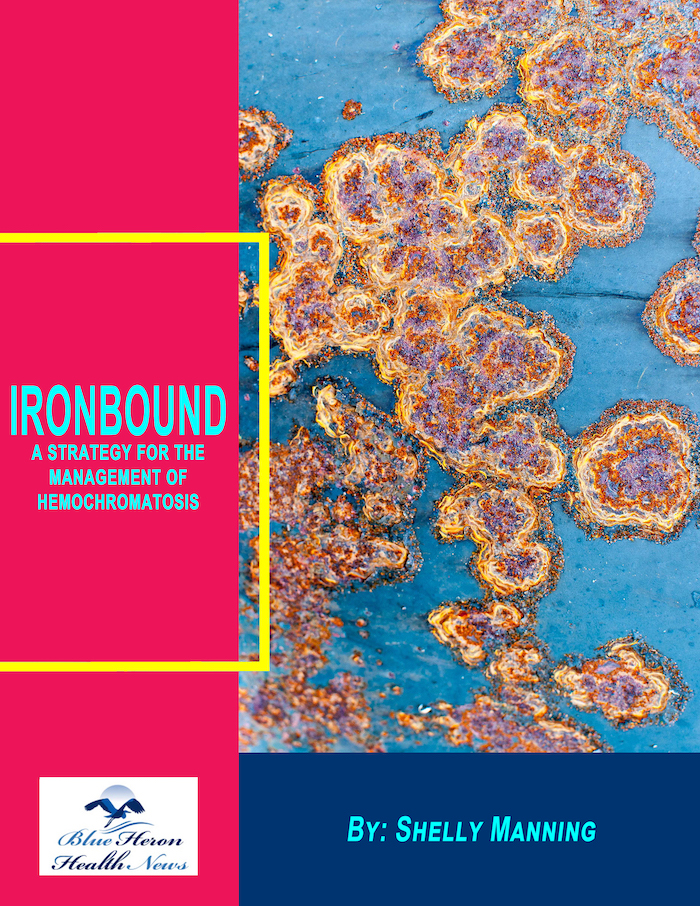
Ironbound
By Shelly Manning
A lifestyle-oriented strategy for understanding and managing habits related to hemochromatosis.
- Topic: Iron balance
- Author: Shelly Manning
- Format: digital guide
 Trusted & secure checkout
This article contains affiliate links. We may earn a commission if you purchase through them, at no extra cost to you.
This article is general health education, not a diagnosis or personal medical advice. Do not change treatment or supplements based on this article. Discuss individual results with a qualified healthcare professional.