Nail wellness · Footwear and shared-space hygiene
Shoes, Socks, and Shared Showers: A Practical Routine Around Nail Fungus
Build manageable habits for dry feet, personal footwear, and shared changing areas. These precautions support foot hygiene; they do not diagnose a nail change, guarantee prevention, or replace treatment.
AI assisted drafting, organization, and the fictional image. Mr.Hotsia is identified as reviewer for sourcing and clarity only; no clinical review or medical qualifications are implied.
Start with a routine, not a promise of perfect protection
Foot-care advice often sounds simple until an ordinary day gets in the way: shoes are still damp before work, spare socks are missing from a gym bag, or shower sandals were left at home. A useful routine makes those situations easier to handle without turning every shared floor into a source of fear. This guide focuses on footwear, socks, and communal washing areas in the context of fungal nail concerns. It is not a treatment program or a way to identify an infection from a photograph.
Understand why dampness matters
The American Academy of Dermatology explains that fungi associated with nail infections can thrive in warm, moist places, including everyday objects and shared floors. It also notes that prolonged moisture around feet and nails can create opportunities for infection. This gives a reason for sensible drying and personal-item habits, not a reason to blame someone for developing a problem. Many circumstances affect a person’s risk. In an original example, changing a damp pair of socks is a practical response to moisture; it does not prove that the previous socks caused a nail change or that the new pair has removed an existing infection.
Make the daily wash-and-dry step practical
CDC foot-hygiene guidance recommends washing feet daily and drying them completely. Make that ordinary step achievable rather than adding a complicated ritual. An editorial planning example is leaving a clean personal towel where you normally get dressed, so drying is not skipped because the towel is elsewhere. Pay attention to the spaces between toes, as part of keeping feet dry, without rubbing damaged skin aggressively. This article does not prescribe soaking, scrubbing a diseased nail, or applying household chemicals. If washing or reaching your feet is difficult, ask an appropriate healthcare professional about practical assistance rather than stretching into an unsafe position.
Plan for socks that become damp
The AAD recommends clean socks each day and changing them when they become sweaty, including moisture-wicking socks. A label on the packet does not make a sock dry indefinitely. An original packing example is keeping a spare pair in a small clean compartment before a long workday or exercise session. If you need to change, keep the worn pair separate until laundry time rather than confusing it with the clean spare. You do not need an elaborate inventory or a costly special brand to organize this step. Choose something you can maintain, taking account of your work requirements and access to washing facilities.
Let footwear dry between uses
The AAD advises giving shoes time to dry before wearing them again and suggests breathable materials. In its prevention guidance, it gives a day as a drying interval. Treat that as a planning aid, not a laboratory certificate that every shoe becomes fungus-free after a certain number of hours. An original example is rotating two suitable pairs when possible instead of repeatedly putting on the same damp shoes. Follow the footwear maker’s cleaning and drying directions. This article does not recommend heating shoes in an oven, improvising a chemical spray, or assuming that a deodorizing fragrance is evidence that footwear has been disinfected.
Check comfort as well as ventilation
Footwear also needs to fit the task and the foot. The NHS recommends well-fitting shoes and advises against footwear that makes feet persistently hot and sweaty. A mesh trainer may suit one activity but not a workplace requiring protective boots. An editorial question is whether a pair remains comfortable through the actual shift, not simply whether it looks breathable on a sales page. If discomfort, pressure, or a nail problem is making footwear difficult, seek individualized advice. Do not cut away protective equipment, modify a work boot unsafely, or keep wearing painful shoes solely to complete a routine described online.
Prepare before entering a shared shower
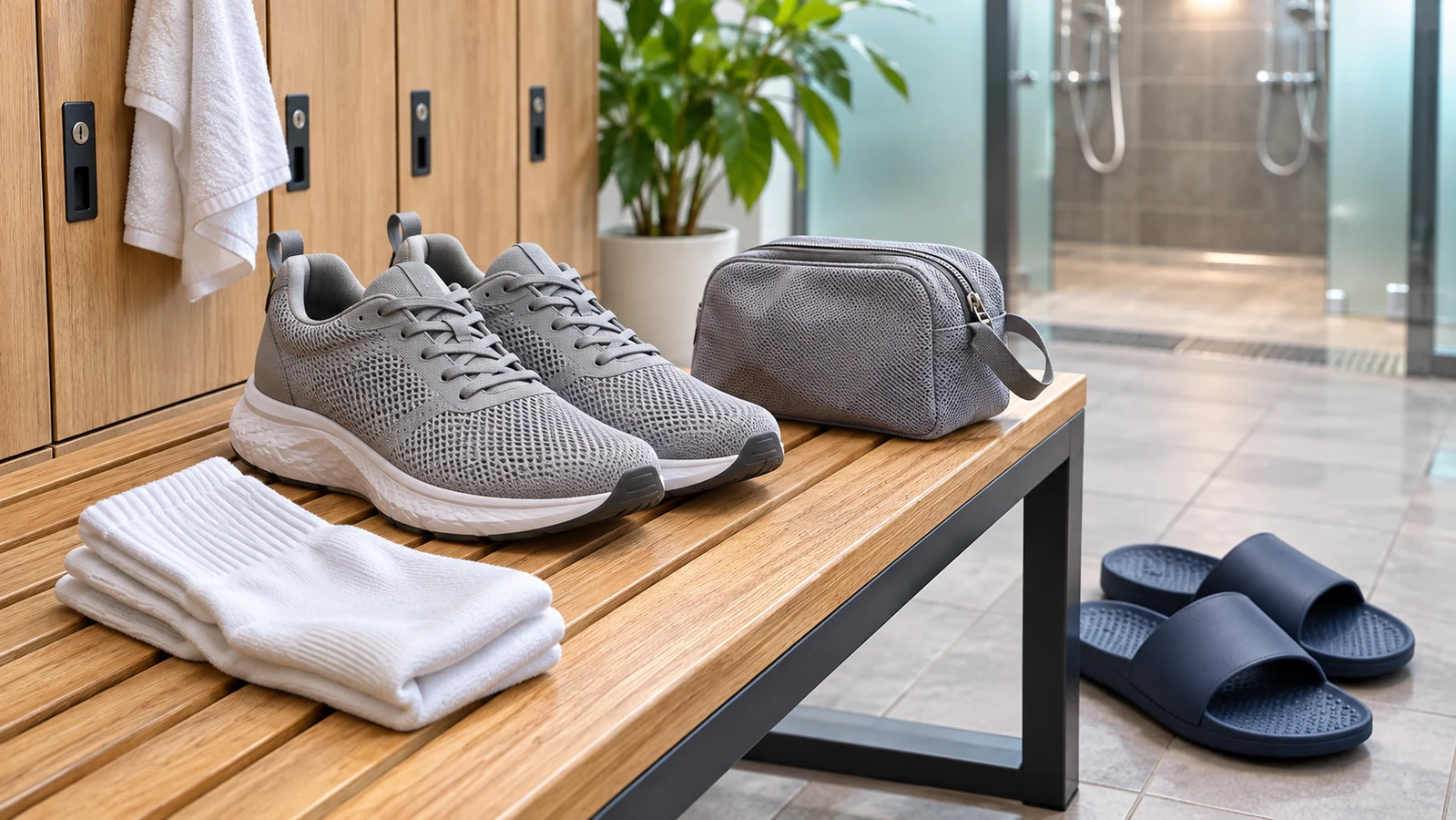
The NHS and AAD recommend protective footwear such as flip-flops or shower sandals in communal showers and pool areas. Make the decision before you arrive. An original example is checking the bag for your own sandals along with your towel and clean clothes, rather than realizing they are missing when you reach the wet floor. Keep local facility rules and slip safety in mind. Protective footwear is a precaution, not a promise that every surface or personal item is free of fungi. It also does not replace ordinary cleaning by the facility or professional assessment of a skin or nail concern.
Keep personal items genuinely personal
Avoid sharing shoes, unwashed towels, and nail-grooming items. AAD explains that contaminated objects can be involved in spreading fungi; the NHS also advises against sharing nail clippers or scissors. In a household, an original organizational approach is giving personal items a recognizable place so that borrowing is not the easiest option. A name label or separate compartment is a reminder about ownership, not a disinfection method. If several people use the same changing area, discuss these habits respectfully. They are not grounds for isolating someone socially, guessing who caused an infection, or inspecting another person’s body without consent.
Unpack the bag when you get home
A bag can undo your planning if it remains packed with damp belongings until the next outing. As an editorial housekeeping example, unpack worn socks and towels when you get home, put them with the laundry, and allow footwear to dry according to its instructions. Keep the next clean pair separate from items awaiting washing. Check the care labels rather than choosing a temperature that might damage the fabric. This is an organization suggestion, not a validated bag-sterilization protocol. There is no need to spray every compartment with a product that was not intended for that material or to mix cleaning agents.
Do not confuse shoe care with nail treatment
Daily hygiene and treatment answer different questions. The AAD explicitly says that shoe products intended to limit fungal growth are not treatments for nail fungus. A cleaner-looking shoe, a dry sock, or a freshly washed foot cannot confirm that an infected nail has cleared. If a professional has given you a treatment plan, ask how footwear and laundry care fit alongside it. Do not stop, replace, or shorten prescribed treatment because the surrounding routine is now more consistent. This guide gives no drug recommendation, product concentration, dosing schedule, or instruction to disinfect footwear with a particular chemical or device.
Notice a change without diagnosing it
A change in nail color, thickness, or texture deserves observation, but it does not let a reader settle the cause alone. The AAD notes that fungal nail disease can resemble other conditions and that accurate diagnosis matters. An original communication example is writing when you first noticed the change and whether shoes have become uncomfortable, rather than labeling the problem from an image search. Bring that information to an appropriate clinician. Do not dig under a lifted nail, cut deeply into surrounding skin, or conceal a worsening concern through repeated cosmetic services instead of getting advice.
Know when individual advice matters more
Some people need professional guidance earlier in the process. The NHS recommends medical review for fungal nail concerns in people with diabetes or a weakened immune system, and when infection has spread or treatment has not worked. These cautions are not a diagnosis or a personalized urgency assessment. If you have an existing foot-care plan, follow the team’s instructions about washing, drying, nail care, and when to contact them. Pain, swelling, or a worsening problem should not become a challenge to overcome by buying another pair of shoes. A general article cannot examine your feet or decide which care is appropriate.
Use commercial reading critically
Overcoming Onychomycosis by Scott Davis is the optional commercial guide associated with this article. It is separate from the medical evidence cited below. Its title, a testimonial, or a refund offer does not establish that the program cures a confirmed infection or replaces professional treatment. Read the product’s scope and purchase terms critically, and discuss proposed health changes with your care team. The practical value of keeping personal footwear organized does not depend on buying a book. No endorsement by CDC, the NHS, or the AAD is implied by the references or the presence of a commercial link.
Build a version that fits your week
Choose one point where your present routine breaks down and make that step easier. In a fictional example, a commuter adds spare socks because the afternoon pair is often damp; a swimmer checks for personal sandals before leaving home. Someone else needs help reaching their feet and makes that the priority. These are different situations, not a competition to follow the longest checklist. Review what actually helps you carry out ordinary care, and keep unresolved health questions separate from housekeeping tasks. A realistic plan can be simple while still respecting individual needs, equipment instructions, and the limits of general information.
The practical takeaway
Keep feet clean and dry, use your own appropriate footwear in shared wet areas, organize clean socks and personal items, and seek advice for concerning changes. These habits support everyday foot hygiene without guaranteeing prevention or treating an established nail infection. The image is a fictional preparation scene, not proof of sterilization or a product endorsement. This article is general education, not personal medical advice. AI assisted drafting, organization, and image creation. Mr.Hotsia is identified as reviewer for source links and clarity only; no clinical review or medical qualifications are implied. Medical decisions belong with a qualified healthcare professional who can assess your circumstances.
Sources and further reading
Medical information was checked against these public health sources on November 25, 2026.
A practical guide for readers interested in Nail wellnessA guide to Nail wellness
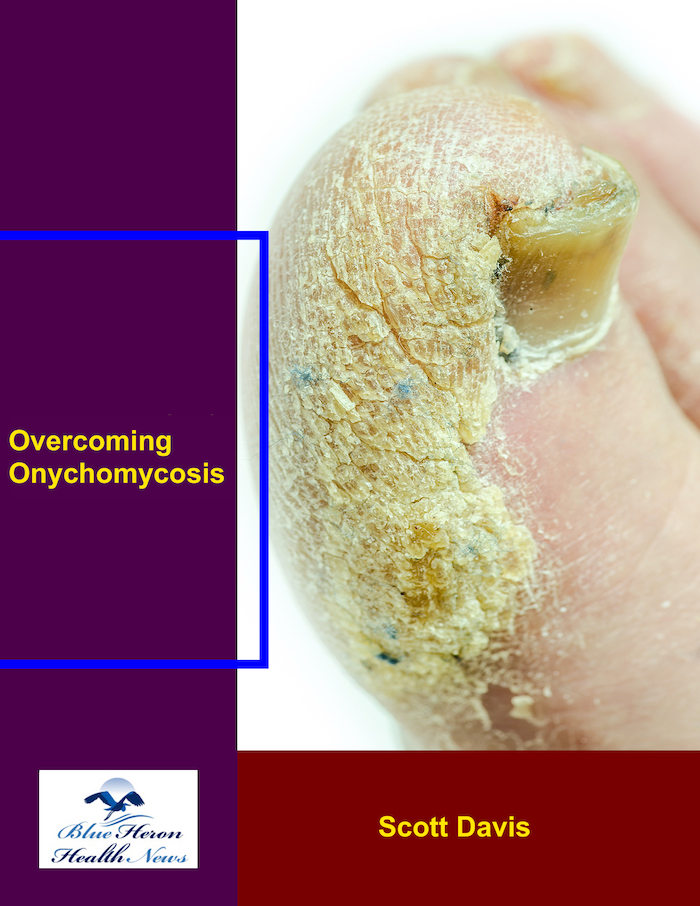
Overcoming Onychomycosis
By Scott Davis
Discusses hygiene, nutrition and consistent routines for people researching fungal nail concerns.
- Topic: Nail wellness
- Author: Scott Davis
- Format: digital guide
 Trusted & secure checkout
This article contains affiliate links. We may earn a commission if you purchase through them, at no extra cost to you.
This article is general health education, not a diagnosis or personal medical advice. Do not change treatment or supplements based on this article. Discuss individual results with a qualified healthcare professional.